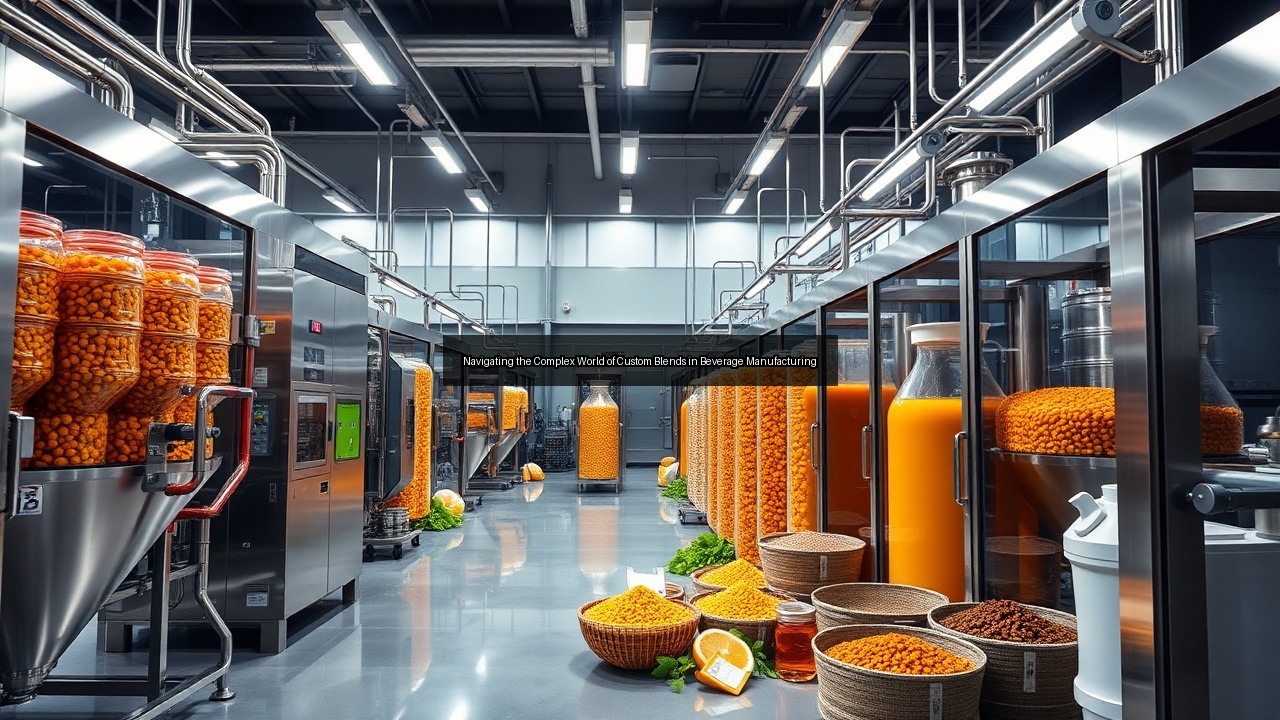
Navigating the Complex World of Custom Blends in Beverage Manufacturing
Understanding Custom Blends in Beverage Manufacturing
The Role of Food Ingredients in Custom Blending
Custom blending in beverage manufacturing revolves around the artful integration of various food ingredients to create unique flavors and textures. The selection of these ingredients significantly impacts the final product's taste, aroma, and nutritional profile. Beverage manufacturers must consider not only the flavor profiles of juice concentrates, sweeteners, and stabilizers but also how these components interact during the blending process. For instance, the right combination of fruit juice concentrates can enhance sweetness while maintaining acidity, creating a balanced beverage that appeals to consumers.
Ingredient sourcing also plays a crucial role in custom blending solutions. High-quality food ingredients ensure the final product meets consumer expectations and regulatory standards. Manufacturers often prioritize organic and non-GMO ingredients to cater to health-conscious consumers. This focus on quality translates into better-tasting beverages that stand out in a crowded market. Additionally, understanding the functionalities of various food ingredients, such as emulsifiers or preservatives, allows manufacturers to innovate and create blends that not only taste good but also have a longer shelf life.
Science and Innovation Behind Custom Blends
The science behind custom blends combines chemistry, biology, and technology to achieve desirable outcomes. Manufacturers rely on scientific principles to understand how different ingredients affect flavor stability, texture, and color. This understanding drives innovation, enabling the development of new beverage types that cater to evolving consumer preferences. For example, advancements in extraction and flavor encapsulation techniques allow manufacturers to create more vibrant flavors that remain consistent over time.
Innovation doesn't stop at ingredient selection; it extends to the blending process itself. State-of-the-art equipment facilitates precision and consistency in batch production, ensuring that every batch of a beverage meets the specified quality standards. Furthermore, manufacturers leverage data analytics to refine recipes and enhance production efficiency. By analyzing consumer feedback and market trends, companies can adapt their custom blending solutions to meet the dynamic demands of the food and beverage industry.
The Custom Blending Process
Batch Production Techniques
Batch production techniques play a pivotal role in the custom blending process. This method allows manufacturers to produce beverages in specific quantities, ensuring that each blend meets quality and flavor specifications. The process typically involves several key steps: measuring, mixing, and testing. Accurate measurement of each food ingredient is crucial to maintaining the intended flavor profile and achieving consistency across batches.
Quality Control Standards: GFSI and USDA Compliance
Maintaining high-quality standards throughout the custom blending process is essential for consumer safety and product integrity. Compliance with Global Food Safety Initiative (GFSI) and USDA regulations ensures that manufacturers adhere to best practices in food safety and quality control. GFSI provides a framework for food safety management systems, emphasizing the importance of risk assessment and preventive measures in the production process.
USDA regulations specifically address the use of food ingredients and labeling requirements, especially for organic products. Manufacturers must ensure that all ingredients meet these standards and that their processing facilities comply with stringent hygiene and safety protocols. Regular audits and inspections serve to reinforce these practices, providing consumers with confidence in the safety and quality of their beverages.
Choosing the Right Packaging for Custom Blends
Packaging plays a critical role in preserving the quality and extending the shelf life of custom blends. The choice between primary packaging, which comes into direct contact with the beverage, and secondary packaging, which provides additional protection and branding, can significantly affect a product's market success. Beverage manufacturers must consider the properties of their blends when selecting packaging materials. For instance, light-sensitive beverages may require opaque containers to prevent degradation of flavor and color.
Flexible packaging options have gained popularity in recent years due to their lightweight and resource-efficient nature. These options not only reduce transportation costs but also allow for creative branding opportunities. Moreover, sustainable packaging solutions are on the rise as consumers increasingly prioritize environmentally-friendly products. By integrating eco-friendly materials into their packaging strategies, manufacturers can align their products with consumer values and enhance market appeal.
Exploring Custom Blending Solutions
Flexible Packaging Options for Beverage Products
Flexible packaging options provide a versatile solution for beverage manufacturers looking to differentiate their products in a competitive market. This type of packaging includes pouches, stand-up bags, and flexible cartons that can accommodate a wide range of beverage types, from juices to smoothies and even plant-based drinks. Flexible packaging not only reduces material waste but also offers convenience for consumers, who appreciate products that are easy to store and transport.
Moreover, advancements in flexible packaging technology enable manufacturers to incorporate features like resealable closures and spouts, enhancing user experience. This convenience can lead to increased consumer loyalty and repeat purchases. As the demand for healthy, on-the-go beverage options continues to rise, flexible packaging proves to be an innovative solution that meets the needs of both manufacturers and consumers alike.
The Importance of Primary and Secondary Packaging
Primary and secondary packaging serve distinct yet complementary roles in the beverage industry. Primary packaging directly contains the beverage and influences its shelf life, freshness, and overall appeal. For example, glass bottles may appeal to consumers seeking premium products, while plastic containers offer lightweight and shatter-resistant alternatives. Selecting the right primary packaging enhances the product's marketability and can significantly affect consumer purchasing decisions.
Secondary packaging, on the other hand, focuses on branding and protection during transportation and storage. Eye-catching designs and informative labeling on secondary packaging can attract consumers' attention on store shelves, making it a crucial element in marketing strategies. Additionally, secondary packaging helps prevent damage to primary containers during shipping, ensuring that products arrive safely at their destinations. Together, primary and secondary packaging create a cohesive branding experience that resonates with consumers.
Tailored Solutions for Diverse Beverage Needs
Custom blending solutions offer manufacturers the flexibility to cater to diverse beverage needs. Whether creating functional drinks that boost energy or refreshing beverages that promote hydration, the ability to tailor blends to specific consumer preferences is essential. This adaptability enables manufacturers to respond to market trends and consumer demands effectively.
By collaborating with ingredient suppliers and leveraging technological advancements, manufacturers can experiment with new flavors, textures, and health benefits. The result is a dynamic product lineup that appeals to a broad audience. Additionally, manufacturers can utilize market research to identify emerging trends, allowing them to introduce innovative custom blends that capture consumer interest. In a rapidly evolving industry, tailored solutions for blending ensure that manufacturers remain competitive and relevant in the beverage market.