How Thread Rolling Services Enhance Metal Component Durability
Understanding Thread Rolling Services
What is Thread Rolling?
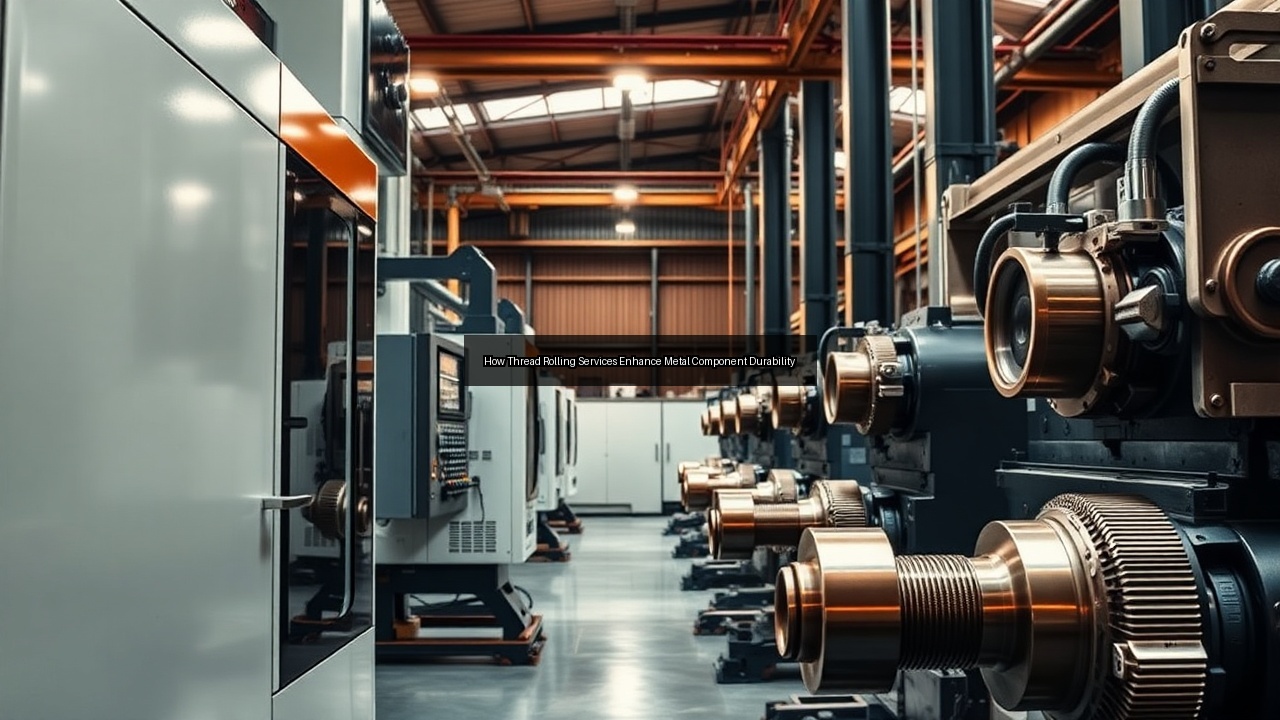
Thread rolling is a cold-forming process utilized to create threads on metal components. This technique involves the use of dies that shape the material into helical forms, producing threads with exceptional precision. Unlike traditional machining methods, which often remove material through cutting, thread rolling displaces the metal, enhancing its structural integrity. Manufacturers commonly employ this method for various metals, including steel, aluminum, and brass. The process is efficient, producing high volumes of threaded parts with minimal waste, making it a popular choice in diverse applications such as fasteners, gears, and other components requiring robust threading.
Key Benefits of Thread Rolling for Metal Components
Thread rolling services offer several significant advantages that enhance the durability and performance of metal components. One of the primary benefits is the remarkable strength of the threads produced. The cold-working process strengthens the metal, resulting in increased fatigue resistance and overall durability. Additionally, thread rolling generates smoother surfaces compared to traditional cutting methods, reducing friction and wear over time. This smooth finish is vital for applications where precision and tight tolerances are essential. Moreover, thread rolling minimizes material waste, making it a cost-effective solution for manufacturers looking to optimize their production processes while maintaining high quality.
Comparison with Other Threading Techniques
When comparing thread rolling with other threading techniques, such as thread cutting, it becomes clear that rolling offers distinct advantages. Thread cutting involves removing material, which can lead to reduced strength in the final product due to the internal stresses created during the process. In contrast, thread rolling preserves the integrity of the metal, enhancing its overall durability. Techniques like thread milling and screw machining also exist, but they may not achieve the same level of efficiency or cost-effectiveness as thread rolling. For manufacturers focused on producing high-quality fasteners and components, thread rolling stands out as the preferred choice due to its superior strength and efficiency.
Applications of Thread Rolling in Various Industries
Aerospace Industry: Enhancing Component Reliability
The aerospace industry demands the highest standards of precision and reliability, making thread rolling services indispensable. Components such as fasteners, fittings, and structural parts must withstand extreme conditions, including high stress and temperature variations. Thread rolling enhances the mechanical properties of these metal components, ensuring they can endure rigorous operational demands. Manufacturers in the aerospace sector benefit from thread rolling's ability to produce lightweight, durable parts that meet stringent regulatory requirements. Additionally, the process allows for the efficient production of components, facilitating rapid prototyping and scaling up for large-scale manufacturing without compromising quality.
Military Applications: Meeting Stringent Standards
In military applications, the reliability and performance of components can be a matter of life and death. Thread rolling services play a critical role in producing fasteners and components that withstand harsh environments and rigorous testing standards. The military relies on the durability and precision that thread rolling provides, ensuring that each piece meets the demanding specifications required for weapons systems, vehicles, and equipment. The enhanced fatigue resistance and reduced likelihood of failure are indispensable in mission-critical applications. Manufacturers specializing in military contracts often prefer thread rolling due to its ability to deliver high-quality components that comply with strict military standards.
Oil and Gas Sector: Durable Fasteners and Components
The oil and gas sector requires robust components capable of withstanding extreme pressures and corrosive environments. Thread rolling services provide the ideal solution for producing durable fasteners and components that meet these challenging conditions. The superior strength and fatigue resistance achieved through thread rolling ensure that parts can endure the stresses encountered in drilling and extraction processes. Moreover, the smooth finish of rolled threads contributes to better sealing capabilities in fittings and connectors, reducing the risk of leaks. As the industry continues to evolve, manufacturers increasingly turn to thread rolling to enhance the reliability and longevity of their products in these demanding applications.
The Technology Behind Thread Rolling
CNC Thread Rolling vs. Traditional Methods
CNC thread rolling represents a significant advancement over traditional thread rolling methods. While traditional methods rely on manual setups and adjustments, CNC technology automates the process, ensuring consistency and precision across large production runs. CNC machines allow manufacturers to program complex thread patterns and specifications, minimizing the risk of human error. This level of automation not only enhances efficiency but also reduces production time, leading to lower costs. Additionally, CNC thread rolling accommodates a broader range of materials and thread profiles, making it a versatile solution for manufacturers seeking to optimize their operations.
The Role of EDM and CNC Machining in Thread Production
Both Electrical Discharge Machining (EDM) and CNC machining play essential roles in the production of threaded components. While thread rolling focuses on forming threads, EDM is often used for creating intricate details and complex geometries that may be challenging to achieve through rolling alone. Integrating EDM with thread rolling allows manufacturers to produce components with high precision while maintaining the benefits of cold-forming. CNC machining complements these processes by enabling manufacturers to create custom tooling and fixtures that enhance thread rolling efficiency. This synergy between technology types results in improved production capabilities and the ability to meet diverse customer needs.
Innovations in Thread Rolling Technology
Innovations in thread rolling technology continue to reshape the landscape of metal component manufacturing. Advances in materials and tooling have led to enhanced performance, allowing manufacturers to work with harder metals and produce more complex thread profiles. Additionally, the integration of smart technology and IoT in manufacturing processes allows for real-time monitoring and adjustments, further improving precision and efficiency. These innovations ensure that thread rolling remains at the forefront of metalworking techniques, providing manufacturers with the tools they need to stay competitive in an ever-changing market. Embracing these advancements not only enhances product quality but also streamlines production processes, ultimately benefiting end-users.
Choosing the Right Thread Rolling Service Provider
Factors to Consider When Selecting a Manufacturer
Selecting the right thread rolling service provider involves careful consideration of several key factors. Start by evaluating the manufacturer’s experience and expertise in the industry. A provider with a proven track record in thread rolling services ensures that they understand the nuances of producing high-quality components. Consider the range of materials they can work with and their capability to produce custom threads tailored to specific applications. Additionally, assess their production capacity to ensure they can meet your demands, especially for large orders. Finally, customer reviews and testimonials can provide valuable insights into the manufacturer’s reliability and quality of service.
Inventory Management and Supply Chain Considerations
Efficient inventory management and effective supply chain coordination are crucial when working with thread rolling service providers. A reliable manufacturer should offer flexible inventory solutions, accommodating fluctuations in demand without compromising quality or delivery timelines. Consider their ability to provide just-in-time (JIT) delivery, which minimizes the need for excess inventory while ensuring you have the necessary components on hand when needed. Additionally, evaluate their sourcing practices for raw materials and their relationships with suppliers. A strong supply chain not only enhances production efficiency but also contributes to the overall quality of the final product.
The Importance of Quality Assurance in Thread Rolling Services
Quality assurance plays a vital role in thread rolling services, ensuring that every component meets the required specifications. A reputable manufacturer will implement rigorous quality control measures throughout the production process. This includes regular inspections, testing, and adherence to industry standards. Look for certifications such as ISO, which demonstrate a commitment to quality and consistency. The use of advanced inspection technologies, such as laser scanning and CMM (Coordinate Measuring Machines), can further enhance the accuracy of measurements and detect any deviations from specifications. Prioritizing quality assurance results in reliable, durable components that meet customer expectations and industry standards.