How Custom Manifolds Enhance Agricultural Equipment Efficiency
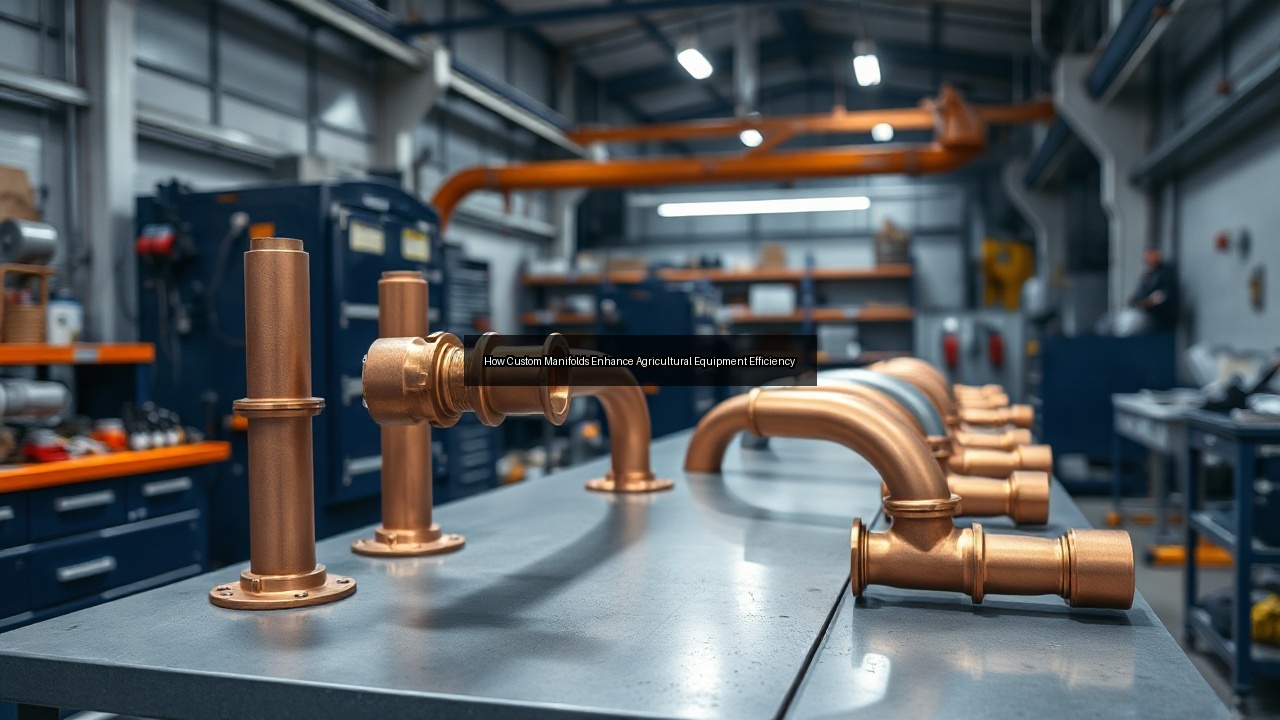
The Role of Custom Manifolds in Agricultural Equipment
Understanding Custom Manifold Design
Custom manifolds serve as essential components in agricultural equipment, facilitating the efficient movement of fluids throughout hydraulic and pneumatic systems. These engineered solutions streamline operations by integrating multiple functions into a single unit, reducing the complexity and size of plumbing systems. A well-designed custom manifold can accommodate various valves, such as ball valves and pressure regulation devices, ensuring optimal performance across different applications. The design process involves meticulous engineering, considering factors like flow rates, pressure levels, and the specific needs of the equipment in which the manifold will be installed. Custom manifolds can significantly enhance the functionality of agricultural machines, providing tailored solutions that improve overall efficiency.
Benefits of Custom Manifolds in Agriculture
Custom manifolds offer numerous benefits to the agricultural sector. First, they optimize space within machinery, allowing for more compact designs without sacrificing performance. This space-saving feature is crucial in modern agricultural equipment, where every inch counts. Second, custom manifolds improve the reliability of hydraulic systems by minimizing potential leak points. Traditional systems often face challenges due to multiple connection points, leading to increased wear and tear. By consolidating these connections, custom manifolds reduce maintenance needs and downtime, ultimately boosting productivity. Additionally, tailored solutions allow for better fluid power management, ensuring that farmers can operate their equipment at peak efficiency, regardless of varying field conditions.
Applications of Manifolds in Farming Equipment
Custom manifolds have diverse applications in the agricultural industry, ranging from tractors and harvesters to irrigation systems and material handling equipment. In tractors, manifolds manage hydraulic functions such as steering, lifting, and implement control, allowing for smooth operation under various loads and terrains. For harvesters, custom manifolds facilitate the efficient operation of cutting and threshing mechanisms, ensuring that crops are processed quickly and effectively. Irrigation systems benefit from custom manifold designs that optimize water distribution, reducing waste and improving crop yields. Furthermore, in material handling, these manifolds ensure that equipment operates efficiently, whether transporting seeds or fertilizers, making them indispensable in modern farming practices.
Enhancing Efficiency with Custom Manifolds
Improving Hydraulic Systems Performance
Custom manifolds play a pivotal role in enhancing the performance of hydraulic systems in agricultural machinery. By optimizing the flow paths and minimizing pressure drops, these manifolds ensure that hydraulic fluid reaches components efficiently, allowing for quicker response times and improved operation. For instance, a well-designed manifold can direct hydraulic fluid custom intake manifolds to multiple actuators simultaneously, enhancing the machine’s overall responsiveness. This improved performance translates to faster cycle times during critical operations, such as planting or harvesting. As a result, farmers can complete tasks more efficiently, maximizing productivity and reducing fuel consumption.
Optimizing Fluid Power Management
Fluid power management is crucial in agriculture, where precision and efficiency directly impact productivity. Custom manifolds optimize fluid power by allowing for precise control over fluid dynamics within the system. This control enables farmers to adjust flow rates and pressures according to specific tasks, such as lifting heavy loads or operating attachments. By integrating advanced features like pressure sensors and flow meters, custom manifolds provide real-time data, allowing for better decision-making during operations. This level of optimization minimizes energy wastage and enhances overall equipment reliability, ensuring that machinery operates at peak performance throughout the farming season.
Reducing Leaks and Downtime
One of the significant advantages of custom manifolds is their ability to reduce leaks and downtime in agricultural equipment. Traditional systems, with numerous fittings and connections, are prone to leaks, which can lead to costly repairs and lost productivity. Custom manifolds consolidate these connections into a single unit, significantly minimizing the risk of leaks. Additionally, the robust design of custom manifolds enhances their durability, allowing them to withstand the harsh conditions typical in agriculture. By reducing the frequency of maintenance tasks and equipment failures, farmers can increase their operational uptime, which is crucial during peak planting or harvesting seasons.
Material Considerations for Custom Manifolds
Choosing the Right Materials: Brass vs. Aluminum vs. Stainless Steel
Material selection is a critical aspect of custom manifold design. Common materials include brass, aluminum, and stainless steel, each offering unique benefits suited for different agricultural applications. Brass is often favored for its excellent corrosion resistance and strength, making it ideal for applications involving hydraulic fluids. Aluminum, on the other hand, is lightweight and has good thermal conductivity, which can be advantageous in systems where heat dissipation is essential. Stainless steel provides superior durability and corrosion resistance, making it suitable for harsher environments found in mining or oil and gas applications. Choosing the right material ensures that the manifold can withstand the specific demands of the agricultural setting while providing optimal performance.
Impact of Material on Manifold Durability
The durability of custom manifolds directly correlates with the materials used in their construction. In agriculture, equipment faces exposure to various environmental factors, including moisture, chemicals, and temperature fluctuations. Brass and stainless steel manifolds typically offer superior resistance to these elements, prolonging their lifespan and reducing the need for frequent replacements. Conversely, aluminum manifolds, while lightweight, may require protective coatings to enhance their durability in certain applications. Understanding the operational environment and selecting materials accordingly ensures that custom manifolds deliver lasting performance, minimizing maintenance costs and maximizing equipment availability.
Heat Resistance and Its Importance in Agriculture
Heat resistance plays a crucial role in the performance of custom manifolds, particularly in hydraulic systems. Agricultural machinery often operates under high-pressure conditions, generating significant heat that can affect fluid properties and system efficiency. Choosing materials with excellent heat resistance is custom intake manifolds essential to maintain the integrity of the manifold and ensure consistent performance. For instance, stainless steel manifolds can withstand higher temperatures without warping or degrading, making them suitable for continuous operation in demanding applications. Implementing designs that promote heat dissipation further enhances the manifold’s functionality, allowing farmers to operate their equipment reliably under various conditions.
Selecting the Right Suppliers and Tools for Custom Manifolds
Evaluating Suppliers for Custom Manifold Manufacturing
Selecting the right supplier for custom manifold manufacturing is vital for ensuring quality and performance. A reputable supplier should possess extensive experience in manifold design and production, demonstrating a solid understanding of the agricultural sector's unique needs. Consideration of their manufacturing processes, quality control measures, and customer testimonials can provide insight into their reliability. Additionally, assess their ability to offer customized solutions tailored to specific applications, including the use of advanced engineering tools and technologies. A strong partnership with a skilled supplier leads to a successful implementation of custom manifolds, ultimately enhancing equipment efficiency and reliability.
Key Tools for Designing Efficient Manifolds
Utilizing the right tools for designing custom manifolds streamlines the engineering process and ensures precision. Computer-aided design (CAD) software plays a pivotal role in creating accurate manifold designs, allowing engineers to visualize and simulate fluid dynamics before production. Advanced modeling software can also analyze stress points and optimize flow paths, resulting in more efficient designs. Furthermore, utilizing rapid prototyping techniques enables manufacturers to test and refine designs quickly, ensuring that the final product meets performance expectations. Investing in the right design tools contributes to the overall success of custom manifold projects, leading to enhanced agricultural equipment efficiency.
Understanding Warranty and Maintenance for Custom Solutions
A solid warranty and maintenance plan are essential when selecting custom manifolds. A good warranty indicates the manufacturer's confidence in their product quality and offers peace of mind for farmers investing in custom solutions. Understanding the terms and conditions of the warranty, including coverage for defects and the duration, helps ensure protection against unexpected failures. Additionally, a well-defined maintenance plan provides guidance on routine inspections and servicing, maximizing the lifespan and performance of the manifold. Engaging with suppliers that offer comprehensive support enhances the overall reliability of agricultural equipment, ensuring smooth operations throughout the farming season.