Exploring the Future of Rotary Electrical Contacts in Smart Devices
Understanding Rotating Electrical Connectors
What are Rotating Electrical Connectors?
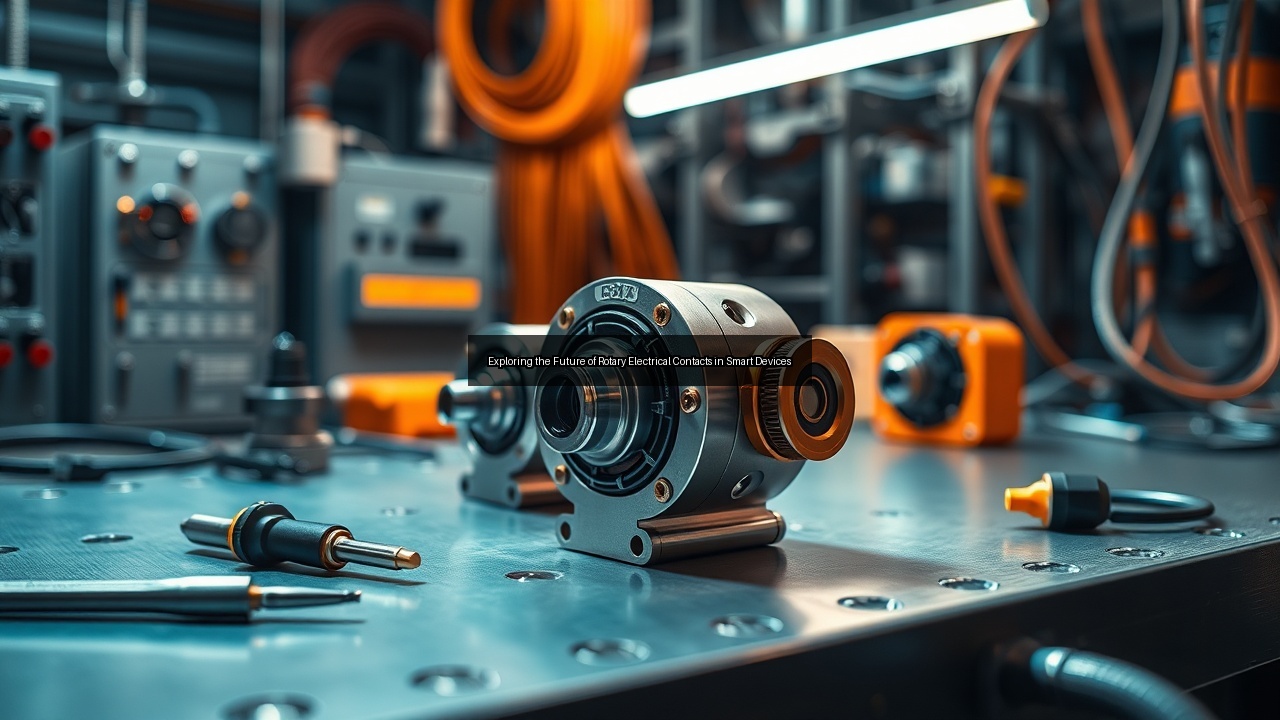
Rotating electrical connectors enable continuous power and signal transmission between stationary and rotating components without interruption. Engineers rely on these devices to maintain reliable connections in systems that demand constant motion. A rotating electrical connector handles rotation while preserving electrical integrity across multiple circuits. In smart devices, this capability supports features like 360-degree camera swivels and motorized sensors that collect data in real time. The design prevents cable twisting and reduces wear on wiring assemblies. Modern versions incorporate precious metal contacts to lower resistance and extend service life. Users gain stable performance even when devices operate at varying speeds. Rotary electrical contact solutions also minimize electromagnetic interference in sensitive electronics. Overall, these connectors form the backbone of any application requiring both mechanical rotation and uninterrupted electrical flow.
Types of Rotating Electrical Connectors
Several distinct types of rotating electrical connectors meet different operational demands. Slip rings remain the most common choice for high-channel-count applications in smart devices. Capsule-style connectors offer compact footprints ideal for wearable technology and small drones. Pancake models deliver low-profile solutions when axial space is limited. Each type supports specific voltage and current ratings while maintaining signal integrity. Hybrid connectors combine power circuits with fiber-optic channels for high-speed data transfer. Engineers select based on rotation speed, environmental exposure, and required bandwidth. Rotary connectors with integrated encoders provide precise position feedback in automated systems. Variations in contact materials, from gold to silver graphite, influence both cost and longevity. Matching the correct connector type to the device architecture ensures optimal performance and reduces maintenance intervals.
Applications of Rotating Electrical Connectors
Smart home security cameras use rotating electrical connectors to achieve smooth pan-tilt motion without cable fatigue. Industrial robots equipped with these connectors transfer power to end-effectors during continuous rotation. Medical imaging equipment relies on slip rings to send high-resolution signals from rotating gantries to stationary processors. Drones integrate compact rotary connectors to power gimbal motors while streaming video. Wind turbines employ high-capacity versions to route sensor data from spinning nacelles. Automotive steering systems contain rotary connectors that maintain airbag and control signals during wheel turns. Each application benefits from reduced downtime and simplified wiring layouts. Manufacturers design these connectors to withstand vibration, temperature swings, and dust ingress common in real-world environments. The versatility of rotating electrical connectors continues to expand as smart devices incorporate more moving parts.
Technological Advancements in Rotating Electrical Connectors
Integration with Wireless Technology
Wireless technology now complements rotating electrical connectors by offloading data transmission while power still travels through physical contacts. This hybrid approach reduces the number of required circuits and lowers overall connector size. Engineers embed Bluetooth or Wi-Fi modules directly into slip ring housings for seamless smart-device communication. The combination allows real-time firmware updates without stopping rotation. Wireless links also provide redundancy when physical contacts encounter temporary interference. Developers test these integrated systems to ensure latency remains low enough for responsive control loops. Battery-powered smart sensors gain extended runtime because wireless data paths consume less energy than additional conductive channels. Rotating electrical connector designs that incorporate wireless modules simplify installation in tight spaces. The result is cleaner device architecture with fewer failure points along the wiring path.
High Voltage Capabilities
High voltage capabilities in rotating electrical connectors now support demanding smart-device applications such as electric vehicle charging arms and industrial automation arms. Advanced insulation materials prevent arcing even when voltage exceeds several hundred volts. Engineers optimize contact geometry to distribute electric fields evenly during rotation. These improvements allow connectors to handle both power delivery and sensitive control signals within the same assembly. High voltage versions maintain stable performance at elevated speeds without overheating. Safety certifications require rigorous testing for dielectric strength and partial discharge. Smart grid sensors mounted on rotating platforms depend on these robust connectors to transmit metering data reliably. The ability to manage high voltage expands the range of functions that rotating electrical connectors can serve in next-generation devices.
Speed and Performance Improvements
Speed ratings for rotating electrical connectors have risen dramatically through refined bearing systems and balanced contact designs. Modern units operate reliably above 10,000 RPM while preserving low electrical noise. Performance gains also include higher bandwidth for digital signals alongside power circuits. Reduced friction coatings extend operational life even under continuous high-speed duty. Smart devices such as high-speed LiDAR scanners benefit from these advancements by capturing more data points per rotation. Thermal management features prevent temperature spikes that could degrade signal quality. Manufacturers publish detailed speed-torque curves so engineers can match connectors to exact application requirements. The combination of higher speed and consistent performance accelerates development cycles for new rotary-enabled products.
Design Considerations for Rotating Electrical Connectors
Selecting the Right Connector Type
Selecting the right connector type begins with defining electrical load, rotation speed, and environmental conditions. Engineers evaluate channel count against available space inside the device housing. Modular designs permit future upgrades without complete redesign. Cost considerations include both initial purchase and long-term maintenance expenses. Compatibility with existing wiring harnesses reduces integration time. Testing prototypes under simulated duty cycles confirms reliability before mass production. Smart-device developers often prioritize connectors that support both analog and digital signals in one compact unit. Documentation from suppliers provides guidance on mounting options and torque specifications. Proper selection prevents costly field failures and ensures smooth user experiences.
Linear Taper vs. Standard Design
Linear taper contacts offer gradual resistance change during rotation, which benefits precision control applications in smart devices. Standard designs provide constant resistance suited for simple on-off power transfer. Linear taper versions require tighter manufacturing tolerances yet deliver smoother signal output. Engineers compare both options when designing variable-speed motors or adjustable sensors. The choice affects overall system linearity and calibration routines. Standard connectors usually cost less and suffice for basic power delivery. Linear taper models excel in feedback loops where position accuracy matters. Testing both configurations helps teams decide which electrical characteristics best match device requirements. This decision directly influences final product performance and user satisfaction.
Durability and Environmental Factors
Durability depends on contact material, sealing methods, and bearing quality. Rotating electrical connectors destined for outdoor smart devices must resist moisture, UV exposure, and temperature extremes. IP-rated housings protect internal components from dust and water ingress. Vibration resistance becomes critical in automotive and aerospace applications. Accelerated life testing simulates years of operation within weeks. Corrosion-resistant platings maintain low contact resistance over extended periods. Environmental factors also influence lubricant selection for bearings and contacts. Designers balance durability features against size and weight constraints typical in consumer electronics. Thorough consideration of these elements produces connectors that deliver consistent service throughout the device lifespan.
Future Trends in Smart Devices and Rotary Electrical Contacts
The Role of Slip Rings in Smart Devices
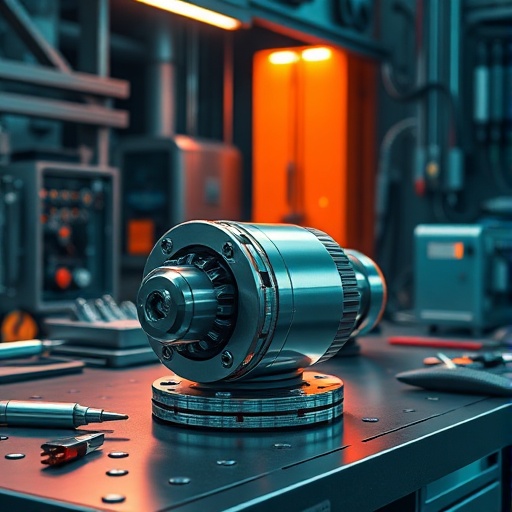
Slip rings continue to evolve as central components in smart-device architectures that require rotation. Their ability to transmit power and data simultaneously supports increasingly complex sensor arrays. Miniaturization trends allow slip rings to fit inside wearables and handheld gadgets. Enhanced shielding techniques reduce crosstalk between adjacent circuits during high-speed operation. Future iterations will integrate more diagnostic sensors to predict maintenance needs. Smart lighting systems with rotating heads already depend on slip rings for both power and control signals. The ongoing refinement of slip ring technology directly enables new product categories that blend motion with intelligence. Manufacturers focus on lowering torque requirements so smaller motors can drive rotating assemblies efficiently.
Innovations in Adapters and Wiring Solutions
Adapters now bridge legacy wiring standards with modern rotating electrical connectors in retrofit smart-device projects. Quick-connect adapters reduce assembly time on production lines. Flexible wiring harnesses paired with rotary connectors accommodate tight routing inside compact housings. Color-coded and keyed adapters prevent incorrect mating during field service. Innovations include push-pull locking mechanisms that maintain connection integrity under vibration. Wiring solutions incorporate strain relief features that extend cable life near rotation points. These advancements simplify upgrades when smart devices receive new firmware or additional sensors. Engineers appreciate modular adapter systems that support multiple connector families within one product line. The result is faster time-to-market and lower total ownership costs.
Impact of IoT on Electrical Connectors
IoT connectivity drives demand for electrical connectors that combine rotation with embedded intelligence. Connectors now carry diagnostic data alongside primary power and signal lines. Real-time monitoring of temperature, current, and wear helps predict failures before they occur. IoT-enabled slip rings transmit performance metrics to cloud platforms for fleet management. This data informs design iterations that further improve durability. Smart factories use rotating connectors with integrated IoT nodes to track machine health during continuous operation. The convergence of IoT and rotary technology creates opportunities for predictive maintenance strategies. Electrical connectors that support these features become strategic assets rather than simple commodities. Continued IoT growth will shape the next generation of rotating electrical connector specifications.
See Also
- The Role of Rotating Electrical Connectors in High-Speed Automation
- Unlocking the Power of Rotating Electrical Connectors for High Voltage Applications
- Revolutionizing Wireless Technology with Advanced Rotating Electrical Connectors
- Innovative Adapters for Seamless Integration of Rotating Electrical Connectors
- A Deep Dive into the Advantages of Using Rotating Connectors in Industrial Settings